





Photo: Collected
INDEX™26 arrives at a moment when the nonwovens industry is being pulled in multiple directions at once – towards higher performance, greater sustainability and ever more exacting consumer expectations. Nowhere is this tension more acute than in absorbent hygiene products (AHPs), where softness, dryness and skin health must be delivered at industrial scale without compromise.
In Geneva this May, a new generation of technologies and materials will signal how the industry intends to resolve these competing demands. From breakthroughs in web forming and surface engineering to advances in bio-based inputs and packaging efficiency, the emphasis is shifting decisively from incremental gains to integrated solutions.
Winning combination
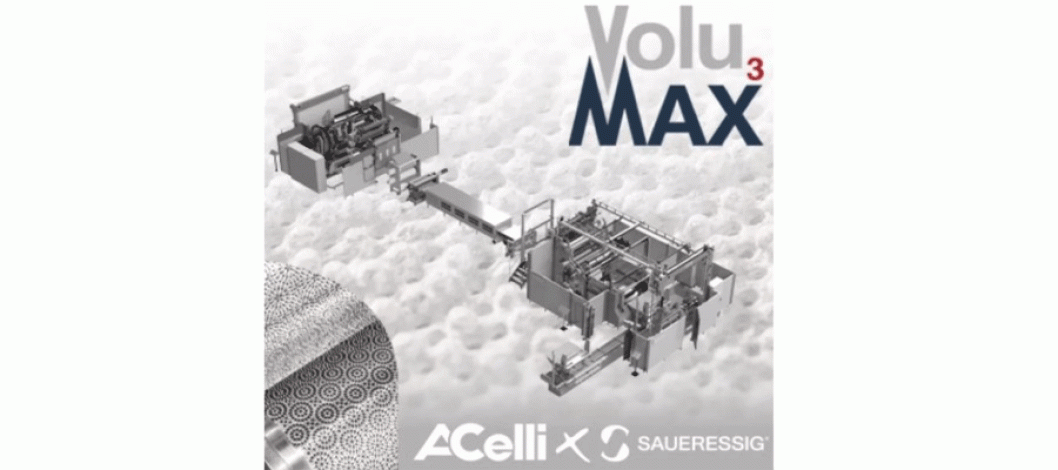
Among the new processing innovations to be introduced is the VoluMAX³ single-step embossing and aperturing system, jointly developed by A.Celli and Saueressig. It leverages A.Celli’s expertise in winding technologies for soft and delicate materials to preserve bulk, thickness, and softness in the final roll, together with Saueressig’s embossing and aperturing technology to enable the production of softer, drier fabrics tailored for AHPs.
3D embossing uses heat and pressure to create permanent raised or recessed designs on a fabric. While visually distinctive, its primary value lies in increasing bulk without adding weight, while ensuring gentle web handling and controlled tension throughout the process. The result is a softer, more textile-like touch, allowing nonwovens to more closely mimic cotton and reducing the synthetic feel that can be uncomfortable during prolonged skin contact.
Aperturing, if required, introduces precise micro-perforations into the web. These allow fluids to pass rapidly through a topsheet into an absorbent core, while helping to maintain a dry surface by limiting backflow. At the same time, improved air permeability enhances breathability and reduces the risk of skin irritation.
Eliminating compromise
Despite their clear benefits, embossing and aperturing have traditionally presented manufacturers with a difficult trade-off – as production speeds increase, maintaining precision becomes more challenging. Pattern definition can blur, while excessive mechanical stress may lead to the ‘bruising’ of fibres, weakening the web and compromising product integrity.
Another critical concern lies in metal abrasion. Conventional systems often rely on softer rollers, such as brass, which are prone to microscopic wear under high-speed conditions. Over time, metal particles can detach and contaminate the product – a significant liability in hygiene applications, where even minor contamination can trigger skin irritation or allergic reactions.
In addition, the accumulation of such particles within machinery increases maintenance requirements and raises the risk of non-compliance with stringent international standards.
Finally, there is the issue of downtime. Many systems require the entire production line to stop for roller maintenance or pattern changes. In a high-volume industry, every minute of stalled production represents a significant loss in revenue. See more.
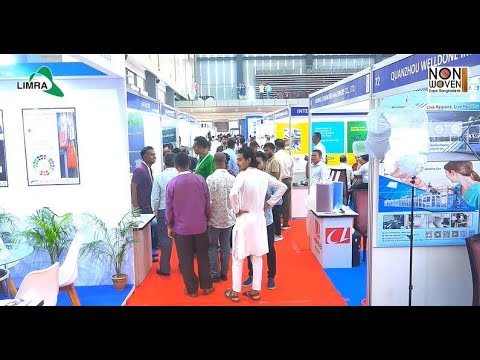
You can learn about South Asia's
largest exhibition on this topic through this link: https://nonwovenexpo.com/
Source: Online/NAN




Comment Now