




Given the ongoing instability in the Middle East, the push by the nonwovens industry to transition from petrochemical raw materials to natural or recycled alternatives is now looking like not just a response to reducing carbon emissions, but a pragmatic plan for the future.
At INDEX™26, there were many examples of moves in this direction.
Biobased polymers
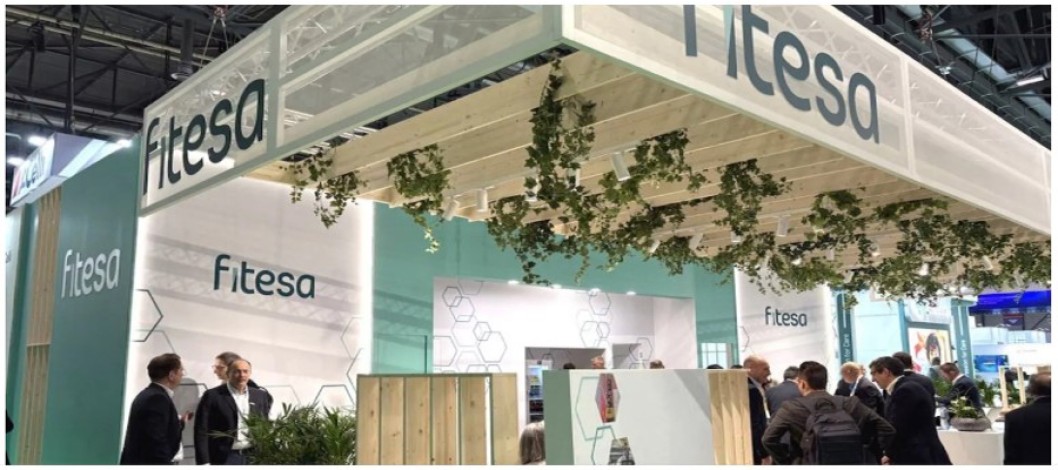
Fitesa, for example, headquartered in Porto Alegre, Brazil, has now been supplying bio-based spunmelt nonwovens for more than a decade, working with polymers such as bio-based polyethylene, polylactic acid (PLA) and PBAT (polybutylene adipate terephthalate). Over this period the company has played an active role in the development of nonwoven-specific biopolymer grades, in close collaboration with leading resin suppliers.
Fitesa has further added 50,000 tons of new global capacity dedicated to more sustainable applications over the past few years, including three new spunmelt lines and the proprietary Fitesa Advantage system – all designed to support lower-impact materials, improved lifecycle performance and greater flexibility for customers across hygiene, healthcare, wipes and emerging technical markets.
This progress has been enabled by a unique operating model that combines advanced pilot line capabilities at the Fitesa Innovation Centres with hands-on processing expertise.
Flexibility
A major step forward came with the start-up of the company’s first Reicofil 5 line with enhanced polymer flexibility in Simpsonville, South Carolina, in 2023, followed by a second similar line in Norrköping, Sweden, in 2024. These lines significantly expanded the type and range of polymers that could be processed reliably at scale.
“The greenhouse gas emissions associated with hydrocarbon feedstock generation and polymer manufacturing are one of the largest contributors to the footprint of spunmelt nonwovens,” explains Anders Fogelberg, Fitesa’s Global QA Director. “Bio-based polymers offer a direct, fully traceable, drop-in solution to this challenge and are among the most effective levers for reducing the environmental footprint of spunmelt-based products.”
Advanced PLA
Denmark’s Fiberpartner meanwhile introduced its PolyPlant advanced PLA fibres in Geneva, engineered to overcome the traditional mechanical, thermal and processing limitations associated with conventional PLA fibres. Polyplant’s proprietary formulation enables enhanced crystallization behaviour, improved molecular stability and optimised fibre morphology without compromising biogenic carbon content.
Importantly, PolyPlant enhances PLA performance without relying on conventional synthetic compatibilizers or impact modifiers. Instead, performance improvements are achieved through intrinsic material engineering – specifically through the control of crystallization kinetics, molecular weight distribution and morphological uniformity.
Further examples of new biopolymers displayed at the exhibition included variants based on PHBA (poly3-hydroxybutyrate-co-3-hydroxyhexanoate), created via a proprietary bio fermentation process by Japan’s Kaneka and already used extensively in single-use nonwoven products by Japan Airlines. Finland’s Kemira has meanwhile developed biobased and biodegradable hydrophobic agents for cellulosic nonwovens, enabling different levels of hydrophobicity to be engineered into the materials.
Lyocell progress
Next generation manmade cellulosic fibres with enhanced durability, moisture management and lower environmental impact continue to make inroads into the nonwovens industry, and Austria’s Lenzing has most notably led the field in expanding its global production of them. The company has focused heavily on increasing lyocell capacity, particularly under its Tencel and Veocel brands, while also strengthening backward integration in dissolving wood pulp.
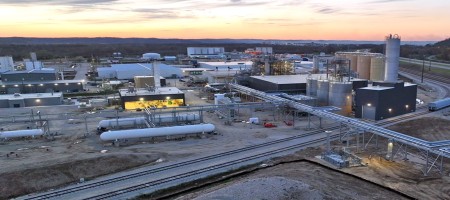
A major milestone came in June 2019 when Lenzing announced plans to invest more than €1 billion in new lyocell production facilities worldwide. The first phase centred on the construction of a state-of-the-art lyocell plant in Prachinburi, Thailand, designed with a nameplate capacity of 100,000 tons per year.
This year, Lenzing has expanded the production of Veocel nonwoven-grade lyocell fibres in Thailand. The company has adapted the Prachinburi site, originally focused on textile applications, to supply biodegradable fibres for wipes and hygiene products across Asia. The existing 100,000-ton-per-year plant now serves both textile and nonwoven markets, reflecting Lenzing’s continued push into high-value speciality fibre segments. See more.
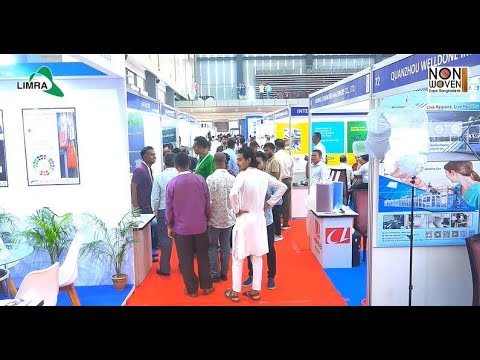
You can learn about South Asia's
largest exhibition on this topic through this link: https://nonwovenexpo.com/
Source: Online/NAN



Comment Now