







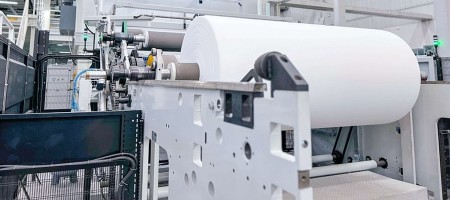
File photo
Reusable nonwoven bags have undergone a significant transformation in recent years, evolving from low-cost promotional items into sophisticated retail packaging solutions designed to meet increasingly demanding sustainability, performance and regulatory requirements.
What began as a simple alternative to single-use plastic bags has become a critical component of retailers’ sustainability and branding strategies. Today’s reusable bags are expected to deliver durability, cost-efficiency, supply chain reliability and measurable environmental benefits—all while remaining commercially viable at scale.
“Initially, nonwoven bags were used primarily for branding purposes and were lightweight and short-lived, with a focus on cost rather than durability,” says Jonas Elvikis, CEO of Lithuania-based bag manufacturer Bagfactory. “Today, however, they are being designed for repeated use and to carry heavier loads, effectively positioning them as a true replacement for single-use plastic.”
Regulation and Consumer Expectations Reshape the Market
The shift toward reusable nonwoven bags has been driven by several trends. Across Europe, legislation targeting single-use plastics—including bans, taxes and extended producer responsibility schemes—has accelerated adoption of reusable alternatives throughout the retail sector.
At the same time, consumer attitudes have evolved. Sustainability has moved beyond a niche concern to become a mainstream expectation, with shoppers increasingly seeking packaging solutions that align with their environmental values while maintaining convenience and functionality.
Less visible, but equally important, has been the role of manufacturing innovation. Advances in automation and production technologies have significantly lowered the cost of producing reusable nonwoven bags at scale, enabling broader adoption across mass retail channels rather than limiting their use to premium or promotional applications.
Bagfactory, a Vilnius, Lithuania-based producer of reusable carrier bags manufactured from nonwoven and paper materials, has focused on automated manufacturing technologies as it has shifted to making products from recycled polyethylene terephthalate (rPET).
Founded as a trading company in 2007, Bagfactory’s transformation began when it established its own automated production facilities in Lithuania. This move enabled the company to shift away from dependence on imported products and toward scalable, high-quality manufacturing within Europe.
The company’s founders built their business around two core principles: sustainability and innovation. Today, Bagfactory supplies major retail chains throughout Europe and has become one of the leading producers of reusable nonwoven and paper carrier bags in the Baltic region.
Alongside changes in manufacturing, the raw materials used in nonwoven bags are also evolving. The industry is increasingly moving away from virgin polypropylene toward recycled alternatives, including recycled polypropylene (rPP) and recycled PET (rPET), improving environmental performance while maintaining product functionality.
This shift is expected to accelerate as new regulations come into force. The European Union’s Packaging and Packaging Waste Regulation (PPWR) is set to significantly impact the reusable bag sector by introducing stricter requirements related to reuse, recyclability and recycled content. Under the new framework, reusable packaging will need to demonstrate practical reuse performance. As a result, manufacturers will face increased scrutiny regarding product durability, lifecycle performance and material composition.
The implications for the market are substantial. Low-quality products with limited lifespans, as well as multi-material laminated constructions that are difficult to recycle, may struggle to comply with future requirements. In contrast, products designed for long service life and incorporating recycled content are likely to thrive. See more.
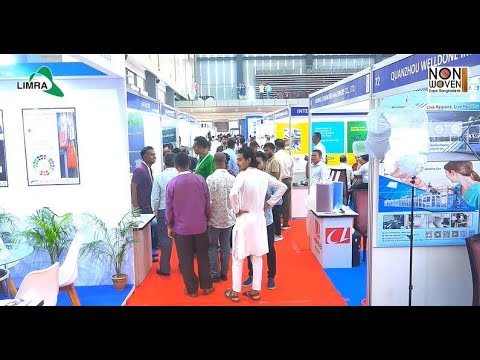
You can learn about South Asia's
largest exhibition on this topic through this link: https://nonwovenexpo.com/
Source: Online/NAN





Comment Now